
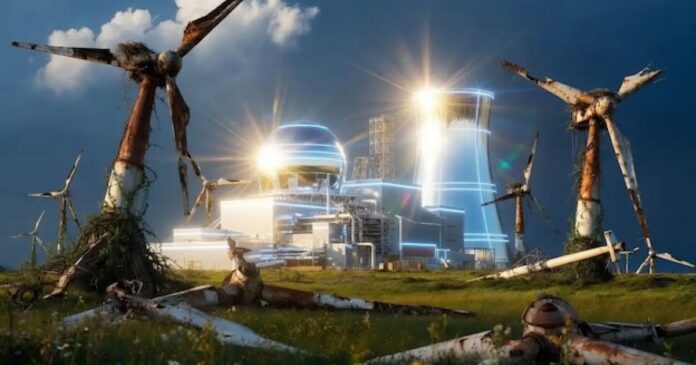
Belgium has reversed course on closing its nuclear power plants, striking a deal to take full control of its reactor fleet and restart operations immediately. Prime Minister Bart De Wever announced the government secured an agreement with energy company ENGIE to halt all dismantling work and restore full nuclear capacity, marking a sharp departure from the green energy policies that dominated European policy for years.
Government Seizes Control of Energy Supply
De Wever’s administration moved decisively to reclaim energy independence. The Prime Minister stated his government chose secure, affordable, and sustainable energy with reduced dependence on fossil fuel imports and greater control over domestic supply. The agreement transfers operational authority of Belgium’s nuclear facilities from private hands to government oversight, ensuring the reactors remain online indefinitely. This decision stops planned shutdowns that would have left Belgium more dependent on foreign energy sources including natural gas imports.
The move positions Belgium against the broader European trend of decommissioning nuclear plants. While France maintained its extensive reactor network throughout recent energy debates, Germany shut down its remaining nuclear facilities and subsequently increased coal consumption and natural gas imports. Belgium’s reversal suggests growing skepticism about renewable-only energy strategies among European governments facing winter blackout risks and industrial competitiveness concerns.
Belgium has halted the dismantling of its nuclear reactors
Until recently, the country planned to fully phase out nuclear energy — now it intends to revive it.
After the energy crisis triggered by Russia’s invasion of Ukraine, the operation of remaining reactors was extended… pic.twitter.com/eL691kPF68
— NEXTA (@nexta_tv) April 30, 2026
Nuclear Power Returns to Political Favor
The Belgian decision reflects changing attitudes toward nuclear energy across the continent. Rising electricity costs and supply disruptions have forced policymakers to reconsider baseload power sources that operate regardless of weather conditions. Nuclear reactors provide consistent output without carbon emissions, addressing both climate commitments and grid stability requirements that wind and solar cannot meet alone. De Wever’s government calculated that restarting existing infrastructure costs less than building new renewable capacity while delivering more reliable results.
What This Means
Belgium’s nuclear restart signals potential policy shifts throughout Europe as governments balance environmental goals against economic realities. Energy security concerns intensified after supply disruptions exposed vulnerabilities in import-dependent systems. The decision gives Belgium control over domestic electricity generation while reducing exposure to volatile international fuel markets. Other European nations watching Belgium’s experience may reconsider their own nuclear phaseout timelines if the restart succeeds in lowering consumer energy costs and stabilizing grid operations through upcoming winters.