
A California maritime director faces investigation after charging taxpayers $4,500 for a party at a Houston strip club with a history of prostitution and weapons crimes.
Strip Club Receipt Sparks Emergency Meeting
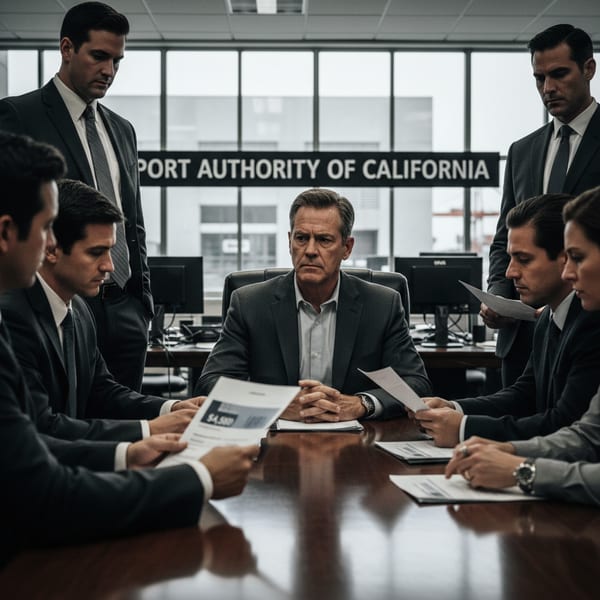
Port of Oakland commissioners convened an emergency session Friday to address Maritime Director James Kwon’s controversial expense claim. The official submitted a receipt for a “drink and dinner reception” at Treasures, a Houston gentleman’s club operating under the parent company name D. Houston Inc. The 2008 conference reception included roughly a dozen shipping industry executives and cost taxpayers $4,537. Port commissioners immediately signaled the severity of the situation through board President Gilda Gonzales, who emphasized their serious approach to the matter in a public statement.
Troubled Venue With Criminal History
The Houston Chronicle reports Treasures has faced accusations of hosting prostitution, drug dealing, and weapons crimes dating back to 2008, the same year Kwon held his reception there. The maritime operations director, who has held his position since 2007, submitted the expense claim listing the strip club’s corporate entity rather than its commonly known name. Kwon remained unavailable for comment on the allegations, as he was attending another port conference in China when the investigation surfaced. The timing of the overseas trip prevented him from addressing the emergency board meeting or responding to questions about the questionable expenditure.
Taxpayer Funds Used for Party
The investigation raises serious questions about oversight of public spending and appropriate use of taxpayer money for official business entertainment. Port officials must now determine whether the expense violated public funds policies and what disciplinary measures may be warranted. The emergency session demonstrates the board’s recognition that maintaining public trust requires swift and transparent response to allegations of financial misconduct. As the investigation continues, commissioners face pressure to explain how such an expense could be approved and what safeguards exist to prevent similar incidents. The case highlights ongoing concerns about accountability in government spending and the proper boundaries for business entertainment expenses.