
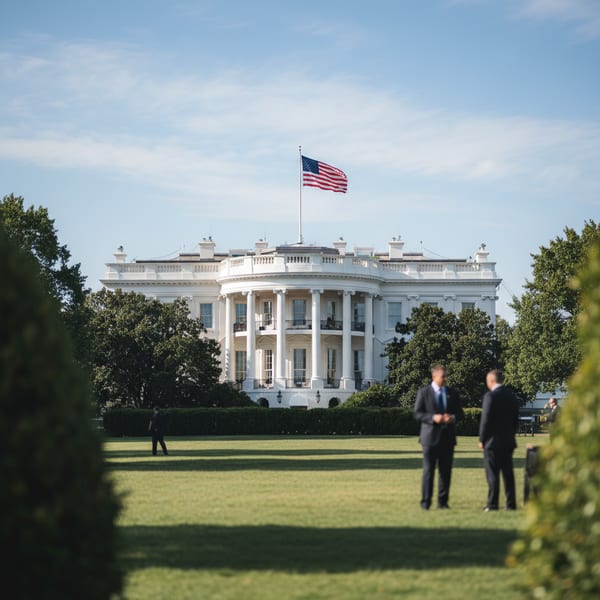
UFC lightweight contender Arman Tsarukyan publicly criticized the Ultimate Fighting Championship after being excluded from a White House visit, declaring his willingness to represent America despite the snub.
Fighter’s Patriotic Stand
Tsarukyan, a top-ranked lightweight fighter, expressed frustration over not receiving an invitation to join other UFC athletes at a White House ceremony. The fighter, who has competed in the octagon since 2019, emphasized his commitment to representing American values and his desire to fight for the country. His comments highlight growing tension between athletes and promotional decisions regarding official government appearances and recognition. The exclusion sparked debate among fans and fellow fighters about selection criteria for such prestigious events.
The lightweight division standout made clear his patriotic intentions despite the organizational oversight. Tsarukyan’s public statement challenges the UFC’s decision-making process for determining which fighters receive invitations to high-profile political events. The situation raises questions about how the promotion selects representatives for appearances that blend sports achievement with national recognition. Several fighters who received invitations had similar or lower rankings than Tsarukyan, adding fuel to his criticism of the selection process.
🚨🚨Arman Tsarukyan says he got a fight offer against Michael Chandler for the UFC White House event
"They called me for Chandler and then they understood it’s bad for Chandler as he represents the U.S., so they put Ruffy."
(via @PBDsPodcast ) pic.twitter.com/EDVyEWk5Bw
— FREAK.MMA (@FREAKMMA1) April 28, 2026
Background on White House Visits
Professional sports organizations regularly bring championship teams and notable athletes to the White House for presidential recognition. The UFC has participated in such events multiple times, showcasing the sport’s mainstream acceptance and celebrating American fighters. These visits serve dual purposes: honoring athletic achievement while promoting American sports excellence on the global stage. Selection for these events typically involves collaboration between promotion management, public relations teams, and government officials coordinating the ceremony.
What This Means
The controversy exposes potential friction between fighter aspirations and organizational control over public appearances. Tsarukyan’s willingness to speak out demonstrates how athletes increasingly demand transparency in decisions affecting their professional opportunities and public recognition. His patriotic framing of the criticism may resonate with fans who value national pride and meritocracy in sports. The incident could prompt the UFC to clarify selection criteria for future government events, ensuring top-ranked fighters understand how such opportunities are allocated. Whether this leads to policy changes remains uncertain, but the public nature of Tsarukyan’s complaint ensures the issue won’t quietly disappear.