
As Venezuela digs out from its deadliest quakes in a century, the Red Cross says rebuilding shattered lives and cities will take years, not months, underscoring just how fragile disaster promises from world leaders really are.
Story Snapshot
- Twin mega earthquakes on June 24 leveled parts of northern Venezuela and killed more than 4,000 people.
- United Nations and relief groups describe a major humanitarian emergency with tens of thousands homeless and basic services broken.
- The Red Cross and other agencies warn recovery will take years, far beyond the first wave of rescue headlines.
- Global aid is flowing in, but past disasters show early support often fades long before real rebuilding is done.
Quakes That Turned Cities Into Rubble
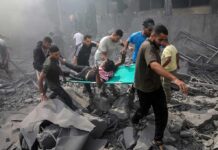
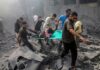
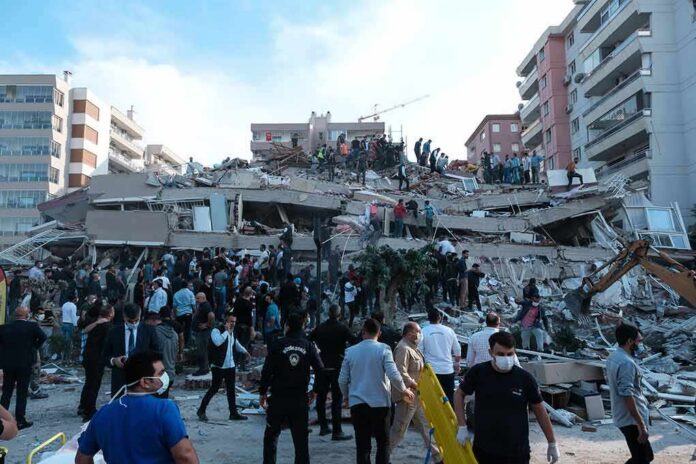
On June 24, two massive earthquakes measuring about 7.2 and 7.5 struck central-northern Venezuela less than a minute apart, making them some of the strongest quakes the country has seen in over a century. The epicenters were near Venezuela’s Caribbean coast, west of the capital city Caracas. Entire neighborhoods in coastal La Guaira and other states collapsed, with satellite images showing blocks of buildings turned into gray dust and twisted metal. Basic roads, hospitals, and power lines were damaged or destroyed, cutting off many families from help.
In the first days, the focus stayed on rescue. Venezuelan officials and media reported thousands of people pulled alive from the rubble as both local volunteers and foreign search teams worked around the clock. But those scenes came with growing lists of the dead and missing. Different reports have tracked the toll rising from the hundreds into the thousands as bodies are found and records updated, with officials later confirming at least 3,811 deaths and 16,740 injured and warning that many more may still be unaccounted for. For survivors, the question is no longer only who is rescued; it is where they will live now.
From Rescue To Long, Hard Recovery
Five days after the quakes, the United Nations said Venezuela was still in an intense rescue phase but warned that recovery “is going to take time.” United Nations agencies described a major humanitarian emergency, with needs “skyrocketing” as tens of thousands of people lacked shelter, health care, food, and clean water. The International Federation of Red Cross and Red Crescent Societies echoed this view, saying that rebuilding homes, hospitals, and water systems will take years and that humanitarian support must continue long after the cameras leave. Damage estimates range into the billions of dollars, equal to several percent of Venezuela’s entire yearly economic output.
This pattern fits what experts see after big earthquakes worldwide. The first week is heavy on rescue stories, rising casualty counts, and dramatic foreign aid arrivals. True recovery planning starts later, once teams finish damage surveys and publish formal needs appeals. In Venezuela, early reports still focus on collapsed buildings and missing people, but the scale of broken infrastructure already signals a long road ahead. When dozens of hospitals and thousands of public buildings are damaged, repair is not a matter of weeks; it means multi-year rebuilding in a country that was already under economic strain.
Global Aid Arrives, But Will It Last?
Foreign rescue teams from more than two dozen countries flew into Venezuela with search dogs, engineers, and medical staff, often landing at a partially reopened airport near Caracas that had been damaged in the quakes. The United States government highlighted its role in leading a global response, sending specialized search-and-rescue units and emergency supplies. Other nations, including several that normally clash with Washington, also deployed teams, showing that when the ground moves, geopolitics can briefly take a back seat to saving lives.
🇮🇱🇻🇪 Israel’s aid delegation completes mission in Venezuela; meets interim president Delcy Rodríguez
“Venezuela’s interim president, Delcy Rodríguez, held a meeting today to thank the joint Israeli aid delegation from the Foreign Ministry and the IDF following the completion of… pic.twitter.com/3vOvUWyJHB
— גיא עזריאל Guy Azriel (@GuyAz) July 22, 2026
Still, many Venezuelans say help has not reached their neighborhoods, and some rescue workers report working for days without formal support. Aid groups warn that the world has a habit of moving on quickly. Once the dramatic rescues end, funding often drops, even while families are still living in tents or crowded shelters years later. The Red Cross fear is simple: if global interest fades and the government does not follow through, the poorest victims will be left to rebuild on their own, deepening the gap between the rich and everyone else.
What This Disaster Reveals About Failing Systems
The Venezuela quakes strike at a time when many Americans, both conservative and liberal, feel their own governments fail ordinary people. Aging infrastructure, slow disaster responses, and confusing aid systems are not unique to one country. In Venezuela, officials were already struggling with inflation, shortages, and political fights before the earth moved. Now those weaknesses are exposed in a harsh way: emergency gear is scarce, data on the missing is uncertain, and rebuilding plans depend on outside money and approval.
For readers in the United States, this matters for two reasons. First, it shows how quickly life can change when basic systems are weak or ignored. Second, it shows how easily elites can promise “solidarity” while underinvesting in real resilience at home and abroad. The United Nations, the Red Cross, and others are doing vital work in Venezuela, but they are also clear that the road back will be long. Their call is not for one more photo-op cargo plane; it is for steady, transparent support over years, so that ordinary families, not just power brokers, have a chance to rebuild their lives.
Sources:
insiderpaper.com, news.un.org, marca.com, wmnf.org, theguardian.com, state.gov, unfpa.org, aljazeera.com, en.wikipedia.org, youtube.com, reuters.com, cnn.com